When to Go to the Austral Islands: Climate and the Best Time to Visit

26/05/2026
Dry, sunny months, humpback whales or island festivals? When you go to the Austral Islands depends on your priorities, and this guide explains the climate, the seasons and the upcoming Aranoa cruises.
Located around 600 kilometres south of Tahiti, the Austral Islands follow a rhythm all of their own. A subtropical climate, distinct seasons, whale migrations and lively island festivals characterise the archipelago. When is the best time to visit? And when do the first Aranoa cruises set sail? This article provides you with the key information you need to choose your ideal travel dates.
The best time to visit the Austral Islands at a glance
The best time to visit the Austral Islands is between May and October. During this cool, dry season, temperatures are mild (20–25°C), the sea is calmer, and visibility is clear – ideal conditions for a cruise on the Aranoa. Those wishing to see humpback whales should visit between July and October. Culture enthusiasts should plan their trip to coincide with the Heiva i Rurutu in July.
The climate of the Austral Islands: what distinguishes them
Anyone visiting the Austral Islands will immediately notice the climatic contrast with the rest of Polynesia. Their southern location, between 22° and 27° south latitude, gives the archipelago milder temperatures, more distinct seasons and lush, almost alpine-like vegetation. It is precisely this profile that makes choosing the right time to visit the Austral Islands a well-considered decision.
A cooler subtropical climate
The cooler climate affects the landscape, activities and travel plans in equal measure.
- The islands lie considerably further south than Tahiti, which means they have a subtropical climate.
- Average temperatures range between 20 and 27°C – noticeably cooler than the 26–32°C in Tahiti.
- From June to September, the nights can get chilly. A light jumper or a fleece should be packed.
- Regular rainfall keeps the vegetation lush and green all year round.
Two main seasons
Unlike in the northern archipelagos of Polynesia, there are two distinct seasons on the Austral Islands.
- Hot, wet season (November to April): 25–28°C, short tropical showers, occasionally choppy seas.
- Cool, dry season (May to October): 20–25°C, plenty of sunshine, calmer seas, clear visibility.
Island-specific characteristics
The climate varies from island to island within the archipelago. You can find a detailed overview of the individual stops on our page about the cruise to the Austral Islands.
- Rurutu and Rimatara lie further north and offer a slightly milder, more temperate climate.
- Rapa, the southernmost inhabited island in French Polynesia, is significantly cooler and windier.
- Tubuai feels more open and exposed to the wind, whilst Raivavae benefits from a sheltered lagoon.
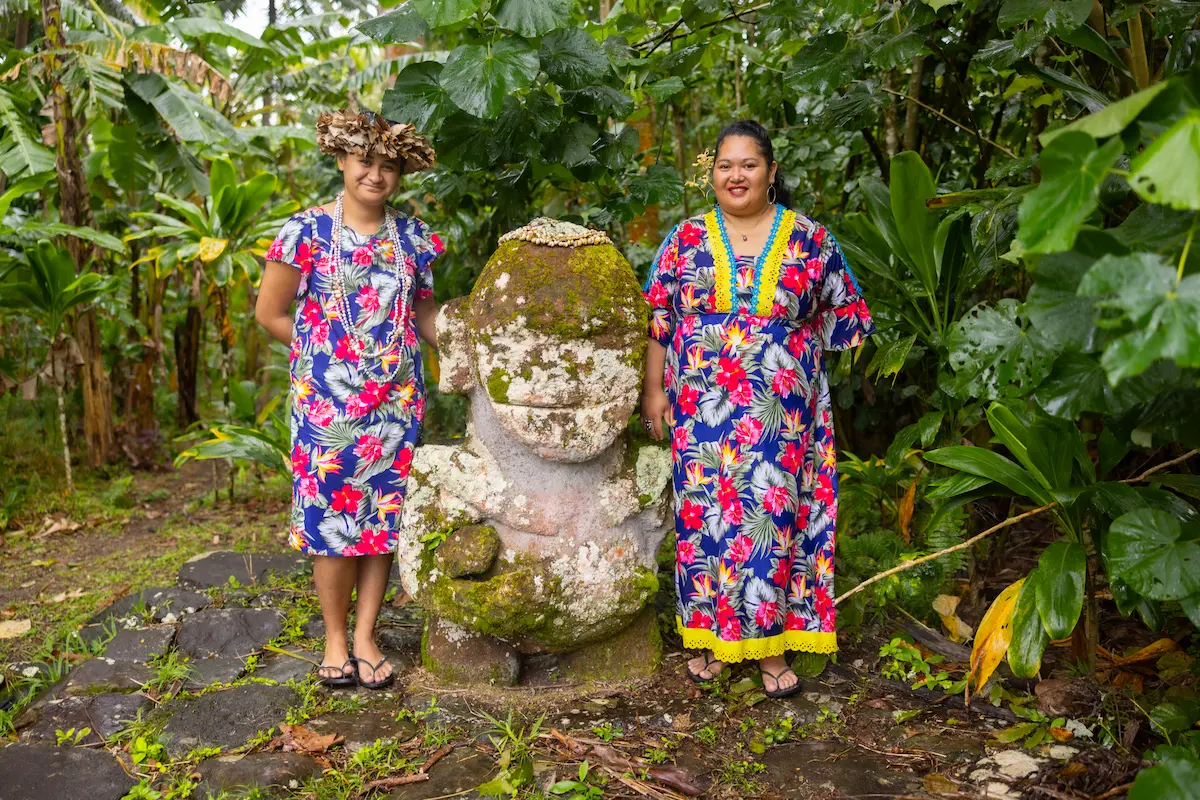
The best time to go to the Austral Islands
The best time to visit the Austral Islands depends on what you’re looking for. Some travellers seek sunshine and tranquillity, whilst others are after immersive nature experiences or cultural depth. Every season has its own unique character.
May to October: the ideal high season
These months are considered the best time to visit the Austral Islands.
- Dry, sunny weather with pleasant temperatures of 22–26°C.
- Calmer seas, making it easier to go ashore in the Aranoa’s dinghy.
- Excellent visibility for hiking, snorkelling and landscape photography.
July to October: whale season
Between July and October, humpback whales migrate to the waters around the Austral Islands to give birth to their calves.
- Rurutu is considered one of the few places in the world where, in good conditions, humpback whales can be observed from the shore or whilst snorkelling from a respectful distance.
- Depending on the departure date, optional whale-watching excursions will be included in the Aranoa itinerary (details to be confirmed on aranui.com).
- The peak season is in August and September.
November to April: the low season
These months showcase the archipelago at its most unspoilt.
- Higher temperatures and more frequent, mostly brief afternoon showers.
- Vegetation in full bloom, with vibrant colours.
- Fewer visitors and a particularly authentic atmosphere in the villages.
- The risk of cyclones is generally low, but may be slightly higher between January and March.
Calendar of cultural events in the Austral Islands
The culture of the Austral Islands is deeply rooted in community, song, dance and religious traditions. If you time your visit to the Austral Islands to coincide with the festival calendar, you will experience the archipelago at its most vibrant.
January: new Year and community celebrations
At the start of the year, the village communities gather for celebrations lasting several days.
- Religious songs, communal meals and dancing set the tone.
- Each island, with its handful of villages, is transformed into a place of warm encounters.
July: heiva and horse races in Rurutu
The Heiva is the cultural highlight of the year throughout French Polynesia, and is particularly prominent on Rurutu.
- Heiva i Rurutu: traditional dances, singing competitions, arts and crafts, and sporting events.
- Horse racing on Rurutu is a tradition unique within the Polynesian context.
- This period is in high demand – booking your cruise well in advance is recommended.
November: tere Fa'a'ati
In November, the Tere Fa'a'ati, a traditional island tour, takes place on several islands.
- Local festivities celebrating community, culture and the island’s history.
- A rare opportunity to experience island life from an authentic perspective.
When to leave according to your priorities
The best time to visit the Austral Islands depends on the kind of experience you’re looking for. The following guide will help you decide.
To observe whales
If you want to see humpback whales, there’s a specific time of year to do so.
- Recommended period: july to October, with the peak season in August and September.
- The Aranoa’s trips are particularly popular during this season.
For the best climate
Dry weather and calm seas make this the ideal time to visit between May and September.
- Mild temperatures, pleasant humidity and stable conditions.
- The islands are at their most accessible – both on land and at sea.
To experience the local culture
If you want to experience Polynesian culture first-hand, plan your trip to coincide with the major festivals.
- Recommended times of year: july (Heiva) and the end of the year.
- Early booking is essential, as demand is high.
To avoid the crowd
The shoulder seasons are ideal for travellers who appreciate peace and quiet and an authentic experience.
- Recommended periods: march to April and October to November.
- Fewer visitors, a particularly unspoilt atmosphere and, at times, more attractive rates.
Aranoa cruises to the Austral Islands: dates and availability 2027
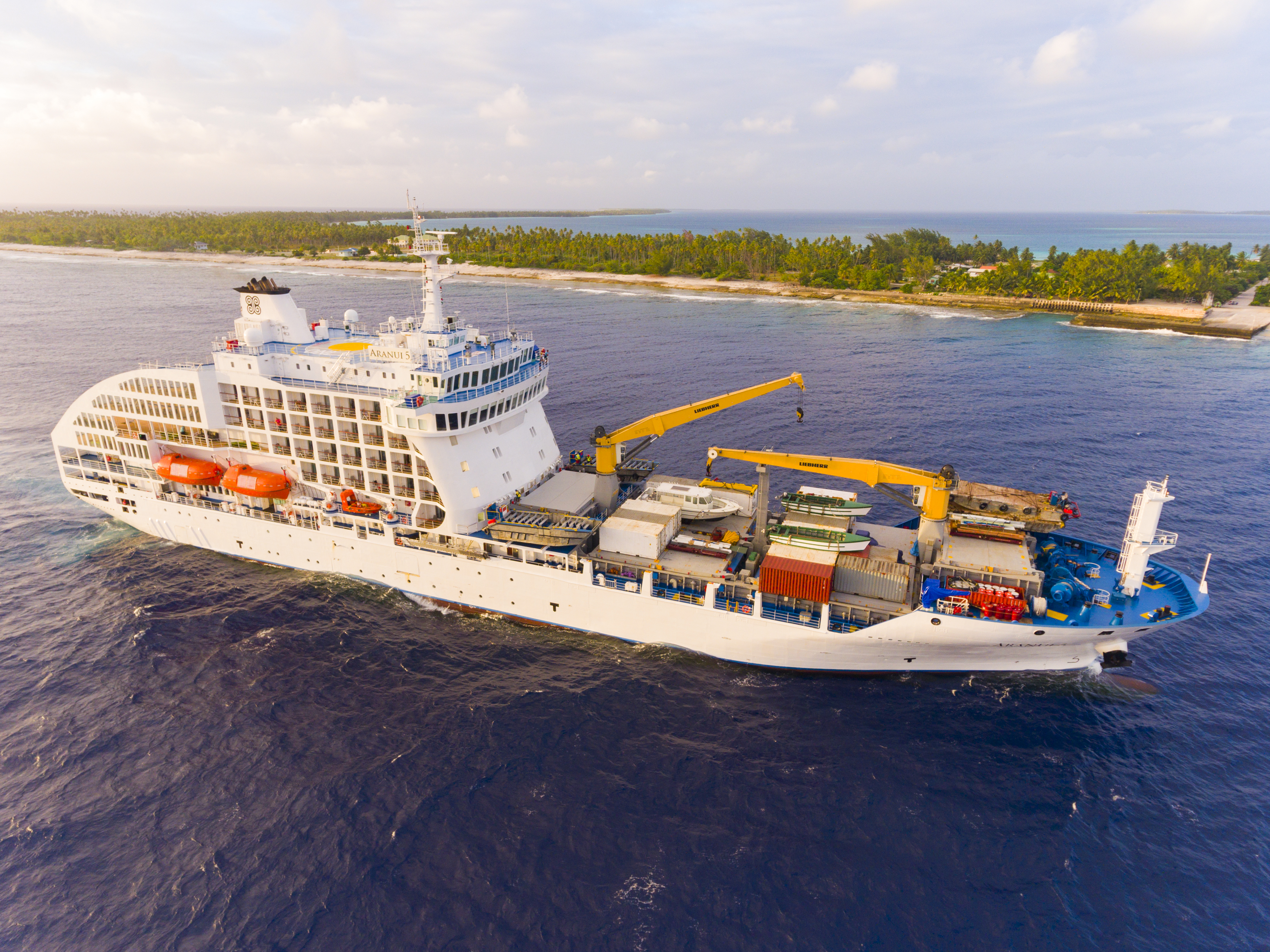
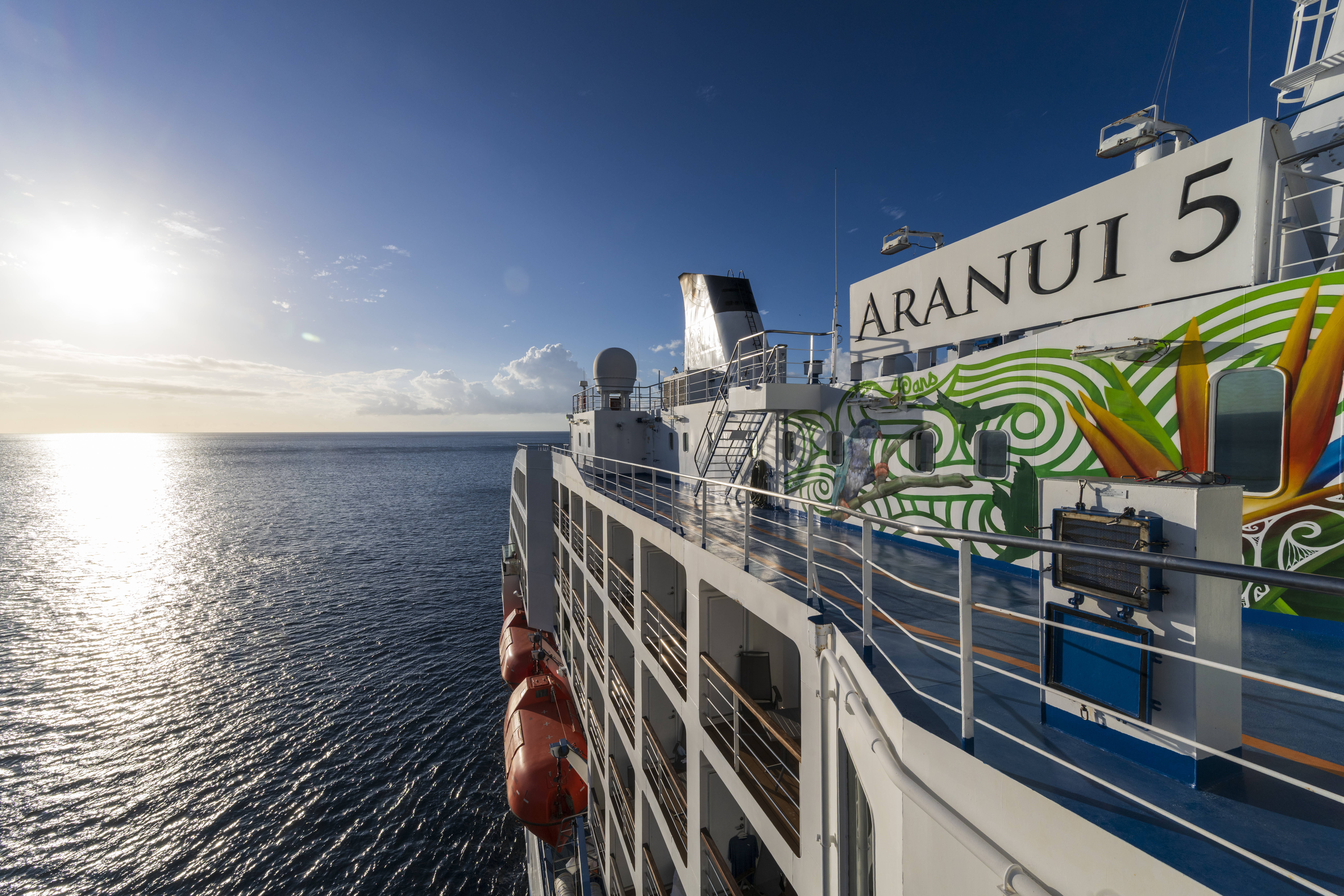
With the Aranoa, Aranui Cruises is set to embark on a new chapter from March 2027: a mixed cargo and passenger vessel that will supply the remote Austral Islands and take travellers to places that traditional passenger ships cannot reach. Unlike the Aranui 5, the Aranoa will be equipped with stabilisers – a significant improvement in comfort for the southern waters.
Route and duration
This voyage is more than just a standard itinerary – it follows the islands’ supply cycle.
- 13 days, 12 nights, departing from Papeete.
- Planned stops: bora Bora, Rimatara, Rurutu, Tubuai, Raivavae and Raiatea.
- On certain sailings, additional stops are made at Rapa, Maupiti or Huahine.
2027 Departure Calendar
Departures are deliberately scheduled for the periods with the most favourable weather conditions.
- Several departures are planned for 2027; the exact dates and final number will be confirmed on aranui.com.
- The majority of departures fall during the dry season and some during the whale-watching season.
- The full overview is available in the official 2027 departure calendar.
The advantage of all-inclusive
The Aranoa offers a well-thought-out way to explore the archipelago.
- 91 cabins, 62 of which have balconies, with overnight stays on board every night.
- Full board, guided shore excursions, and transfers are included in the fare.
- Not included: flights, alcoholic drinks (except for a quarter-litre of wine with meals) and certain optional entrance fees or activities.
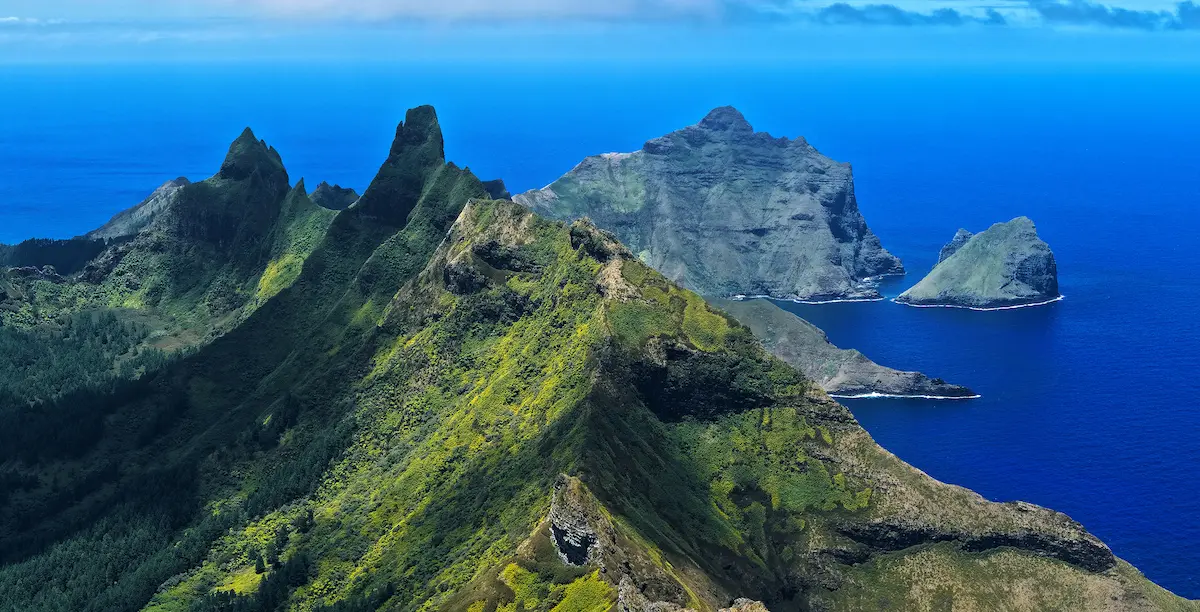
Practical tips for preparing your trip
A trip to the Austral Islands requires a little more planning than a typical holiday in Polynesia. The remoteness of the archipelago and the fluctuating weather conditions mean that thorough preparation is a real advantage. You can find further information on our page about the Austral Islands.
What to pack in your suitcase ?
Your packing list should take the changeable weather into account.
- Lightweight, breathable clothing for the day, supplemented by a jacket or fleece for cooler evenings.
- Comfortable walking shoes for trips to caves, trails and viewpoints.
- Sunscreen, a hat and insect repellent.
- Swimwear for Raivavae Lagoon and selected snorkelling spots.
Health and formalities
In practical terms, the trip is straightforward, although there are a few points to bear in mind.
- There are no compulsory vaccinations required for French Polynesia.
- Depending on your nationality, a valid identity card or passport will suffice.
- Wi-Fi on board is limited and subject to a charge, so if you want to travel offline, this is the perfect opportunity.
- Those who are prone to seasickness will benefit from the standard stabilisers on the Aranoa.
Choosing your time period means choosing your experience
It is impossible to pinpoint a single ideal month for visiting the Austral Islands. With a mild climate between May and October, whale-watching season from July to October, and cultural highlights in July and November, every time of year has its own unique character. From March 2027, you can explore this remote archipelago aboard the Aranoa in well-organised conditions – and tailor your choice entirely to your preferences. The 2027 departure calendar on aranui.com will help you find the right date.
FAQ
How do you get from Europe to the Austral Islands ?
The journey takes place in two stages: first by flight to Papeete (Tahiti), usually via Los Angeles, Paris, Auckland or Tokyo. From there, Aranoa cruises depart directly from the port of Papeete. There are no flights within Polynesia to the Austral Islands, as your journey is made entirely by ship.
Do the islands accept credit cards, and are there cash machines ?
The Austral Islands have a very limited banking and payment infrastructure. On some islands, there are neither cash machines nor reliable card payment facilities. It is advisable to withdraw sufficient cash in Pacific francs (XPF) in Papeete before departure, particularly for souvenirs and small purchases whilst there.
Are the Austral Islands suitable for families with children ?
The Aranoa is primarily aimed at adult travellers with an interest in culture, nature and meeting new people. Families with older children or teenagers who enjoy hiking, boat trips and cultural activities will find this an ideal setting. The format is less suitable for very young children.
What languages are spoken on board and on the islands ?
On board the Aranoa, the main languages spoken are French and English. The Polynesian crew also speak Tahitian and, to some extent, the regional dialects of the Austral Islands. On the islands themselves, the inhabitants speak French and Reo Tahiti.
How does the Aranoa deal with unforeseen weather conditions ?
The routes are flexibly adapted to weather conditions. In rough seas, the order of the stops may be changed or an alternative island may be visited. As the Aranoa is fitted with stabilisers, comfort on board is significantly better than on ships without this equipment, even in choppy seas.
Discover our cruises in French Polynesia :
Read also