Raivavae, the Secret Jewel of the Austral Islands

25/06/2026
Some 630 kilometres south of Tahiti lies one of French Polynesia's most dazzling lagoons: a kaleidoscope of turquoise, jade and sapphire encircling an island of lush volcanic peaks. Often likened to Bora Bora for its beauty, Raivavae is its opposite in spirit. No overwater bungalows, no jet skis, no crowds, only silence and the shifting colours of the water. From March 2027, the Aranoa will call here on its Austral Islands itinerary. What Polynesians themselves call "the Bora Bora of yesteryear" still has to be earned.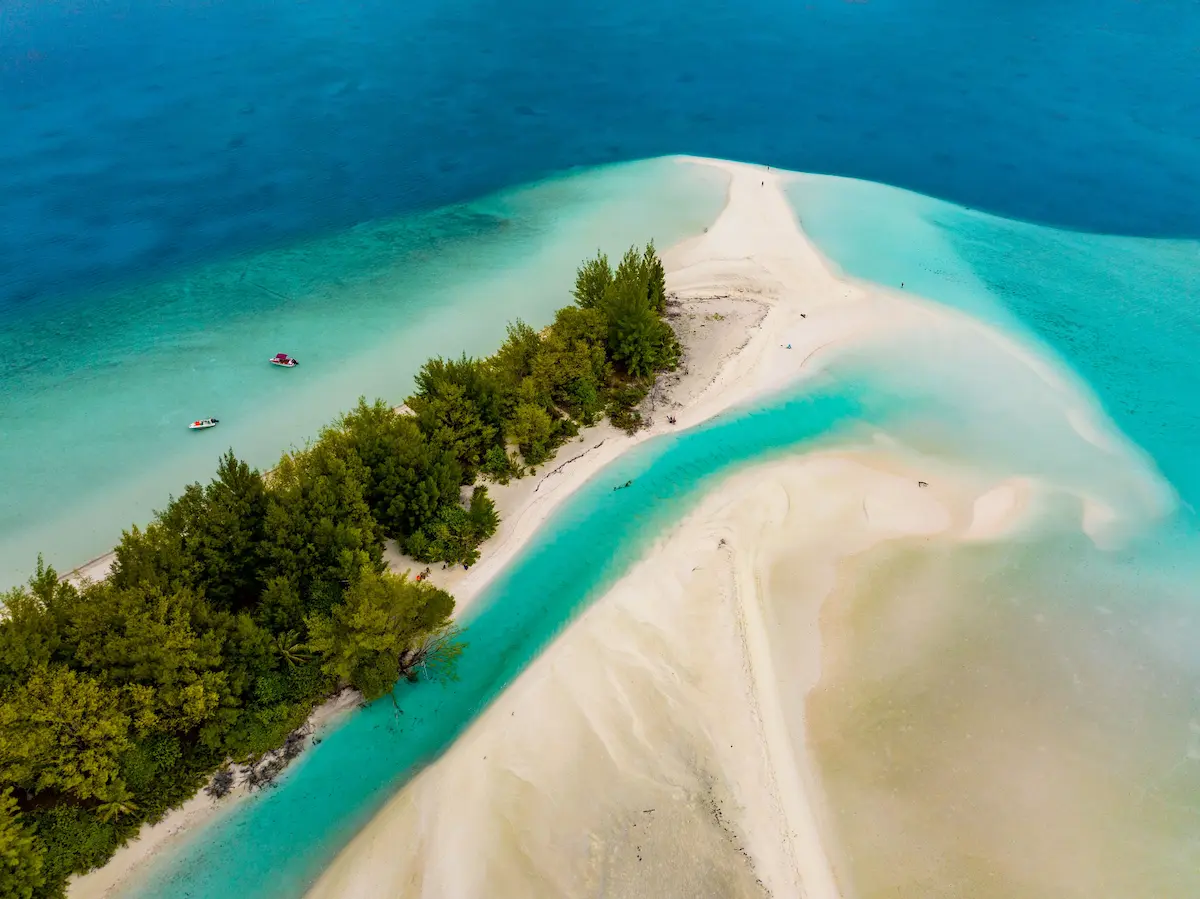
Why Raivavae Is Called the Secret Bora Bora
The comparison with Bora Bora is immediate, yet Raivavae offers something of an entirely different nature. The lagoon shares that palette of unreal colours, that ring of motu, that translucent water. Everything else diverges.
Where Bora Bora opened itself to international tourism, Raivavae stayed apart. No resorts, no large-scale infrastructure, no paved roads on the motu. The island offers what Bora Bora was before the world found it: a lagoon of comparable beauty, but preserved, where cultural exploration matters more than seaside comfort. This absence of development is precisely its value, and the reason so few travellers reach it each year. For anyone drawn to the islands of French Polynesia in search of the authentic rather than the manicured, it is unmatched.
Portrait of a Preserved Island
Remote, intact and strikingly beautiful, Raivavae feels like a world apart. Its isolation has protected both its landscapes and its traditional way of life, making it one of the most authentic islands in the Austral archipelago.
Geography and Landscapes
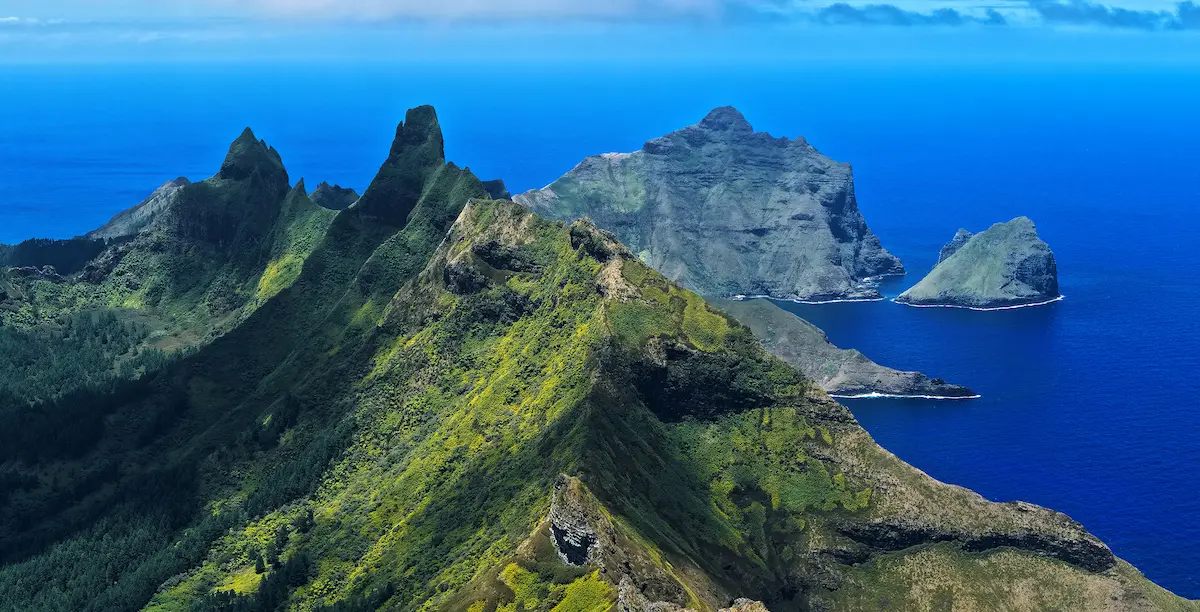
Raivavae is a volcanic island defined by contrast: emerald mountains rising above a luminous lagoon, the whole framed by small white-sand motu.
The main island covers just 16 square kilometres, yet it is cradled by a spectacular lagoon of around 25 square kilometres. At its heart, Mount Hiro climbs to 437 metres, offering sweeping views across the island and its shimmering waters. Twenty-eight motu, most of them uninhabited, fringe the lagoon, each lined with coconut palms and brilliant beaches. With no roads or development, these islets remain blissfully untouched, low vegetation and ferns giving way to crystal-clear shallows.
Population and Villages
Life on Raivavae unfolds at a gentler pace, carried by a community that has kept its traditions intact.
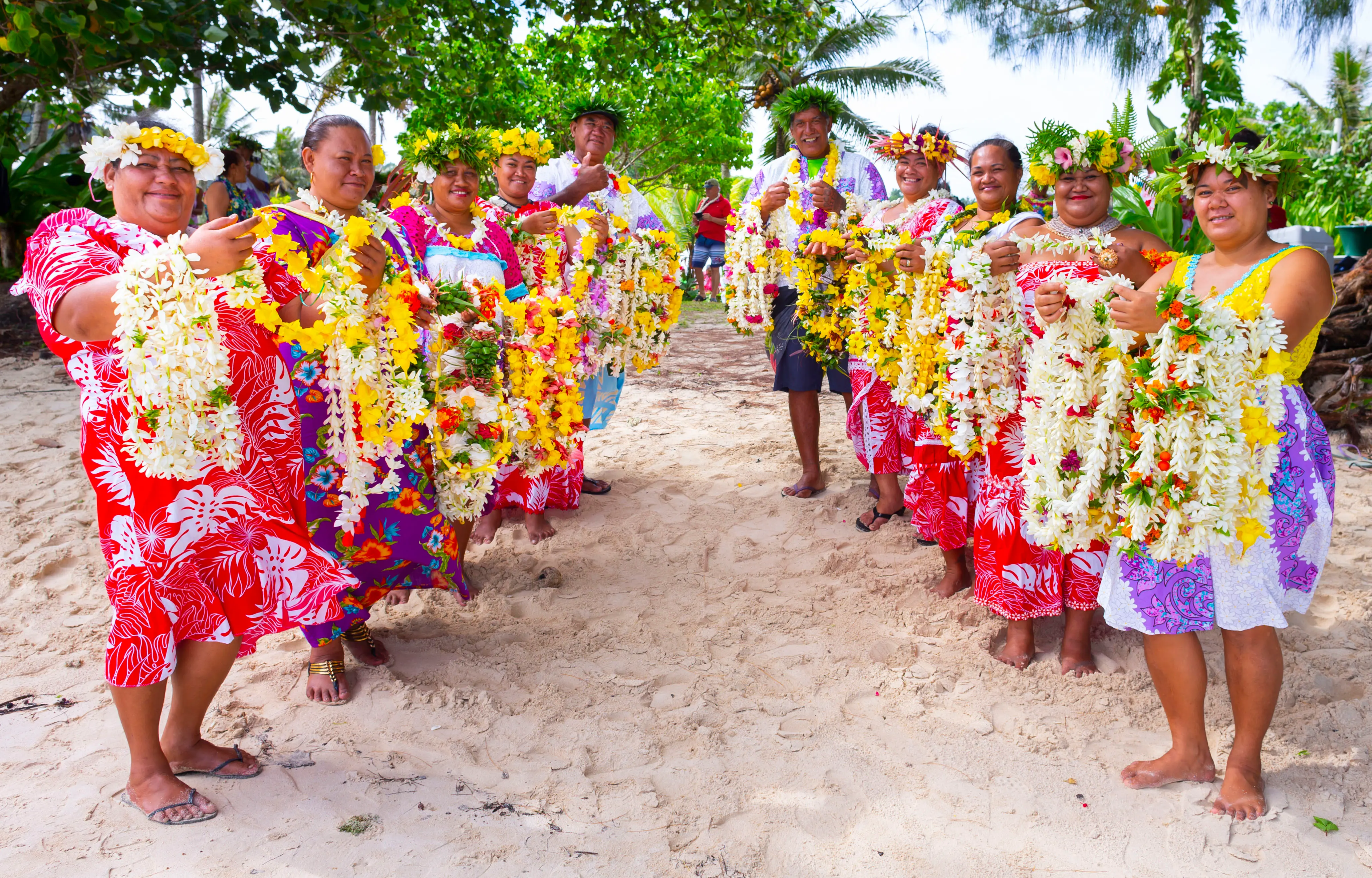
Around 900 inhabitants live across four villages: rairua, Mahanatoa, Anatonu and Vaiuru. The economy rests on agriculture, fishing and craftsmanship. Taro fields, coffee plantations and artisan workshops sustain the island, while visitors are welcomed with a warmth rooted in deeply held Polynesian values. This hospitality is not a marketing line on Raivavae; it shapes daily life in the village of Rairua and beyond.
The Raivavae Lagoon: one of the Most Beautiful in Polynesia
Few places in the South Pacific rival the lagoon of Raivavae. Its colours shift with the light, composing a moving mosaic of blues and greens that seems almost unreal.
Waters of Infinite Shades
The lagoon is a kaleidoscope, and every hour of the day reveals a new shade. Sandbars glow pale turquoise, while deeper channels turn sapphire or emerald. Thanks to exceptional clarity, the seabed is often visible several metres down. Depending on the season, turquoise waters sit between 24 and 27°C, making swimming and snorkelling a pleasure for much of the year over the coral reef.
The Motu: uninhabited White-Sand Islets
Scattered around the lagoon, the twenty-eight motu of Raivavae are among its greatest treasures. Powder-soft white sand, coconut palms, total tranquillity: many remain entirely wild, home only to seabirds. During an Aranoa call, a picnic on one of these secluded islets will offer a rare interlude at the edge of the South Pacific.
Snorkelling and Marine Life
Beneath the calm surface lies a living underwater world. Coral gardens shelter shoals of tropical fish, while stingrays glide through the shallows at low tide. The lagoon is known for its gentle, safe conditions, with no dangerous sharks, making it ideal for unhurried snorkelling. Even first-timers will feel at ease here.
The Cultural Treasures of Raivavae
Raivavae is not only a natural wonder. It is a place of deep cultural significance, whose archaeological remains illuminate one of Polynesia's most accomplished ancient societies.
The Tiki of Raivavae: monumental Remains
Among Polynesian islands, Raivavae is renowned for its remarkable tiki.
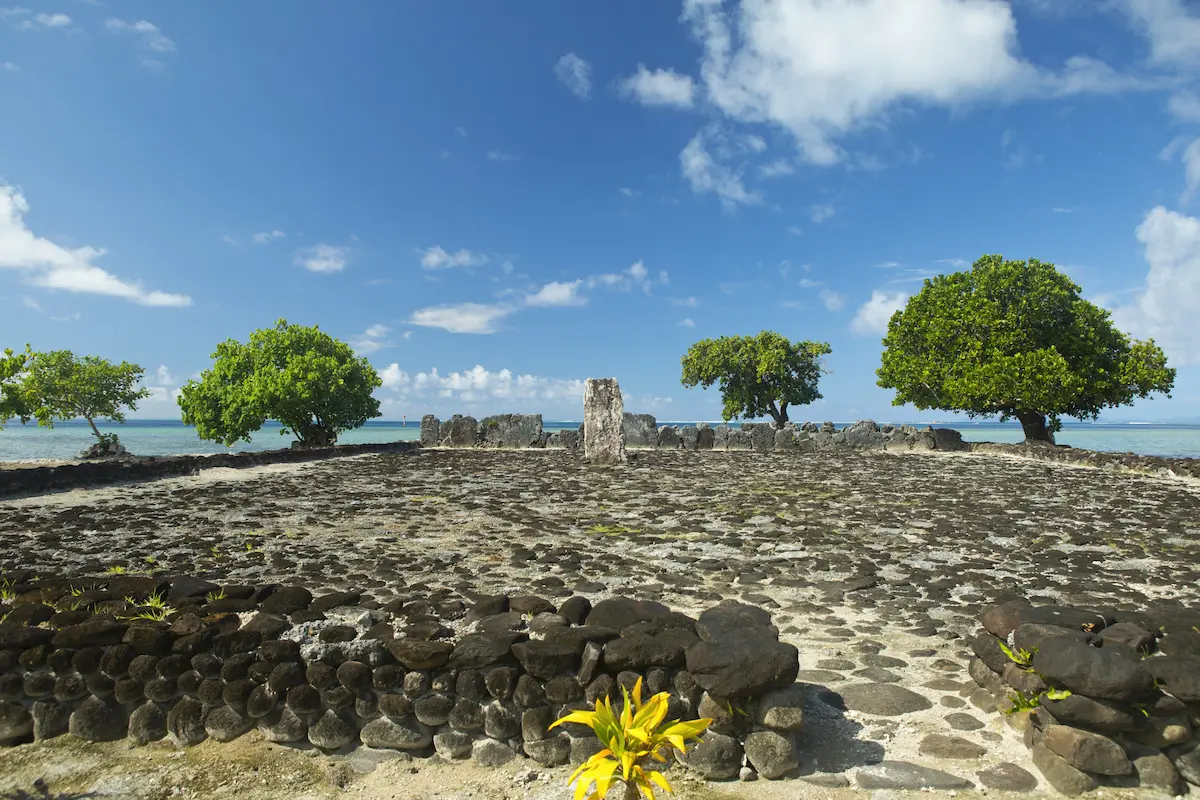
These carved stone figures rank among the largest and most striking in the region. Some have been moved to the Museum of Tahiti for safekeeping; others remain on the island, silent guardians of a prestigious past. They testify to a flourishing civilisation with highly developed artistic and spiritual traditions.
The Marae: ancestral Ceremonial Sites
The sacred heritage of the island can still be felt today, several marae (ceremonial platforms) remaining visible across the main island.
Once centres of worship, governance and community life, they take on their full meaning when explored with a local guide. Visiting them reveals the beliefs and rituals that shaped ancient Polynesian society on this corner of the Austral Islands.
Local Crafts
Raivavae's artisanal traditions are very much alive. Finely woven pandanus hats, baskets and fans follow techniques passed down through generations, while woodcarvers reproduce traditional tiki. The island is also known for its tifaifai, the colourful Tahitian patchwork. Meeting the artisans offers a genuine glimpse of island life, and buying directly from them helps sustain these skills.
What to Do in Raivavae During the Aranoa Call
A call at Raivavae blends discovery, culture and time by the water. Lagoon, heritage, encounters: every moment counts. Aranoa calls run on average three to five hours, dictated by cargo operations, so time ashore is short but dense, never a full lazy day on the sand.
Lagoon and Motu Excursion
For many, this is the highlight: a local boat crosses the lagoon and stops at coral gardens ideal for snorkelling.
The excursion continues to a secluded motu for a Polynesian picnic in a striking setting. It captures the essence of Raivavae as nothing else does, an outrigger's glide from the village.
Tour of the Main Island
Exploring inland reveals another face of the island. A guided tour reaches the four villages, each with its colourful church. Along the way, panoramic viewpoints over the lagoon open up, while archaeological sites, tiki and marae, add historical depth to this corner of the Australs.
Meeting the Residents
The most lasting memories are often the simplest. The people of Raivavae are known for their generosity, and songs and dances frequently mark the welcome. A real cultural exchange takes shape, extended by handmade souvenirs bought directly from local artisans.
Raivavae with the Aranoa: an Exceptional Stop
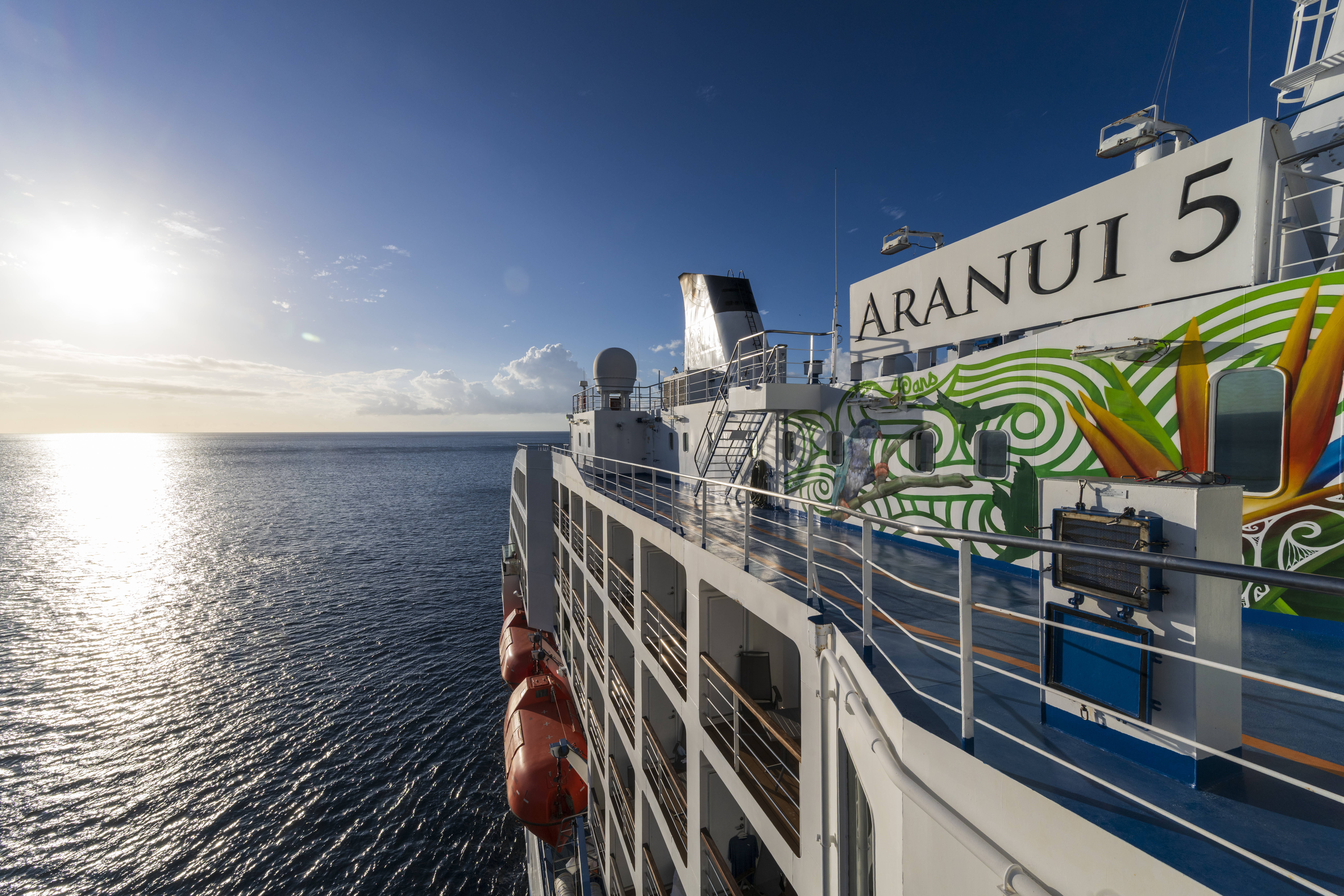
Reaching Raivavae independently remains difficult, which is exactly what makes an Aranoa voyage distinctive. This cargo-mixed ship will offer rare access to one of the most remote islands of French Polynesia. The Aranoa, fitted with stabilisers and diesel-electric propulsion, will not enter service until March 2027.
Access by Mixed Cargo Ship
Travelling aboard the Aranoa will be an adventure in itself. On its 13-day Austral Islands itinerary, the ship will serve isolated communities while welcoming travellers in search of authentic exploration. Arrival at Raivavae will be by whaleboat, an intimate first contact with the lagoon. Transfers, excursions and multilingual guides will be included.
What the Raivavae Call Includes
Time ashore is designed to reveal the island's finest features. Included experiences typically feature a lagoon excursion, snorkelling and a Polynesian picnic on a motu. A guided tour explores villages, archaeological sites and cultural landmarks, with free time for swimming or wandering.
Comfort Aboard the Aranoa
Each evening, passengers will return to the ship, accommodation is on board, never on the islands. The Aranoa will offer 91 cabins, 62 of them with balconies. Full board will be served, blending Polynesian flavours with international cuisine. With logistics taken care of, travellers will be free to immerse themselves in each call. Note that alcoholic drinks and flights are not included, and on-board Wi-Fi remains limited and paid.
Raivavae Within the Austral Islands Itinerary
Raivavae is part of a 13-day journey through the most secret archipelago in Polynesia. Together, these islands reveal some of the most remote and culturally rich destinations in the territory.
The Five Austral Islands to Discover
Each island has its own character. Rurutu is known for its spectacular limestone caves and humpback whale watching (July to October). Rimatara shelters the rare 'Ura parakeet, a celebrated basketry tradition and preserved beaches. Tubuai, the largest island, is marked by the history of the Bounty mutiny. On selected departures, travellers may also reach Rapa, the most isolated of all, known for its fjord-like landscapes.(Internal links to be kept bold until the Rimatara, Raivavae, Tubuai and Austral guide pages exist in the sitemap.)
And Beyond: the Society Islands
Depending on departure, the voyage may include some of the most emblematic islands of Tahiti, Moorea, Huahine, Raiatea with its UNESCO-listed marae, and Bora Bora itself. Comparing Bora Bora and Raivavae offers a fascinating contrast: two superb lagoons, two opposing visions of paradise.
Raivavae, Polynesia's Best-Kept Secret
Exceptional lagoon, deserted motu, preserved cultural heritage: raivavae embodies the dream of a Polynesia of earlier times. To discover Raivavae aboard a cargo-mixed ship is to reach an intact jewel in the comfort of the Aranoa, before the rest of the world finds it. Aranoa 2027 departures can be found on aranui.com.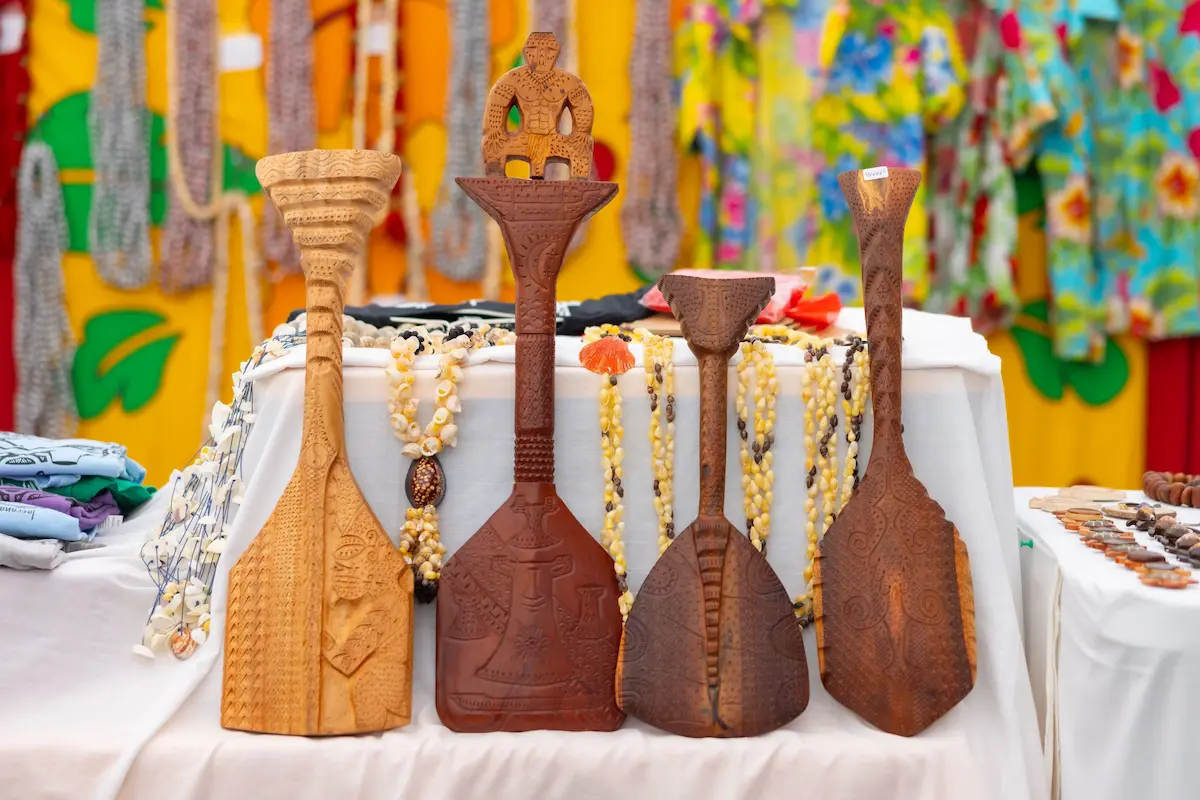
FAQ
How do you get to Raivavae ?
Raivavae lies around 630 km south of Tahiti. It is reachable by air and by sea, though connections are infrequent given its remoteness. From March 2027, the Aranoa will call here on its 13-day Austral Islands itinerary, offering one of the most seamless ways to reach the island.
When is the best time to visit the Austral Islands ?
The dry season, May to October, is the most favourable. At Raivavae and Rurutu, the July to October window also coincides with the humpback whale season. July and August can bring heavier swell, however.
Do you need to know how to swim to enjoy the lagoon ?
No. Shallow waters, boat trips and time on the motu suit everyone. Swimming ability is recommended for snorkelling or venturing further into the lagoon.
How does an Austral Islands call differ from the Marquesas ?
The Australs offer lagoons suited to swimming and snorkelling, which the Marquesas lack entirely, having no lagoon. Raivavae is about the water; the Marquesas are a land of peaks, archaeological sites and hiking.
What souvenirs can you bring back from Raivavae ?
Local crafts: woven pandanus hats, baskets and fans, wood carvings, and the colourful tifaifai patchwork. Buying directly from village artisans supports these skills and guarantees authenticity.
Set sail with the Aranui across the islands of French Polynesia:
Read also