Rurutu, the island of caves: a mineral landscape in the Austral Islands

04/08/2026
Discover Rurutu, the island of caves, from guided tours of its limestone caverns and makatea cliffs to weaving, horse racing and the humpback whales you may spot on an Aranoa cruise.
Located 570 km south of Tahiti, Rurutu rises from the ocean like a coral cathedral. No turquoise lagoon, no postcard beach. Instead: sculpted limestone cliffs, mysterious caves carved into ancient reef, and traditions that have endured for centuries. When the Aranoa, Aranui Cruises' new cargo-passenger ship, begins calling at this unspoiled island in March 2027, it will open the door to one of French Polynesia's most extraordinary destinations.
The caves of Rurutu: underground coral cathedrals
Step beneath the surface of Rurutu and you enter a world that feels almost sacred. These caves were not formed by chance: two distinct episodes of volcanic activity created the island, and a dramatic uplift of approximately 150 metres exposed what was once a living coral reef, leaving behind a network of fossilised chambers hidden within the rock. Today, more than 15 caves have been identified, making Rurutu island home to one of the most remarkable underground landscapes in the South Pacific.
A unique cave network in Polynesia
What makes Rurutu's limestone caves so exceptional is their origin: ancient air pockets trapped within the fossil reef, slowly shaped by water erosion over millennia. Inside, you will find stalactites and stalagmites, towering white limestone columns, and chambers large enough to echo your footsteps.
For the first Polynesian settlers, these caves were far more than geological curiosities. Some served as shelters and living spaces, offering protection from the elements and a strategic vantage point over the surrounding land. Others held spiritual significance, becoming sites for rituals, storytelling, and the passing down of ancestral knowledge. Archaeological evidence suggests that some caves were also used to store food and tools, making them an integral part of daily survival on this remote island.
The must-see caves
Each cave in Rurutu has its own character and story, making exploration both visually striking and culturally enriching.
Ana Aeo, also known as the Grotte Mitterrand after the former French president's visit in 1990, is the largest and most impressive cave on the island. Often described as a natural cathedral, its vast chambers are pierced by openings in the ceiling through which sunlight filters, casting dramatic patterns on the walls. The access is easy, located near the village of Vitaria along the coastal road.
Ana Taupe'e, perched on the side of a cliff, is one of the most spectacular caves to visit with a guide. Known locally as "the jaws of the monster" for its imposing entrance, it opens onto a breathtaking view of the Pacific Ocean. During whale season, you can even spot humpback whales from inside the cave.
Ana Eva, "the weeping cave", was once inhabited by the island's earliest settlers. Its chambers still carry traces of that ancient occupation, connecting you directly to Rurutu's pre-European history.
Higher up, the small cave of Rua o 'Ina on Mount Manureva is steeped in ancestral stories passed down through generations. Its narrow passageways and jagged coral walls create a sense of intimacy that connects you to Rurutu's deep cultural heritage.
Exploring the caves with the Aranoa
Arriving aboard the Aranoa transforms cave exploration into a seamless experience. Guided excursions are led by local experts who know not only the terrain but also the stories behind each formation. Their insights bring the geology to life, connecting millions of years of natural history with the human story of the island of Rurutu.
You do not need specialised equipment: sturdy shoes and a sense of adventure are enough. Lamps are provided, and the walks range from easy access points near the coastal road to short hikes leading to more hidden chambers.
The cliffs of Rurutu: natural sculptures facing the Pacific
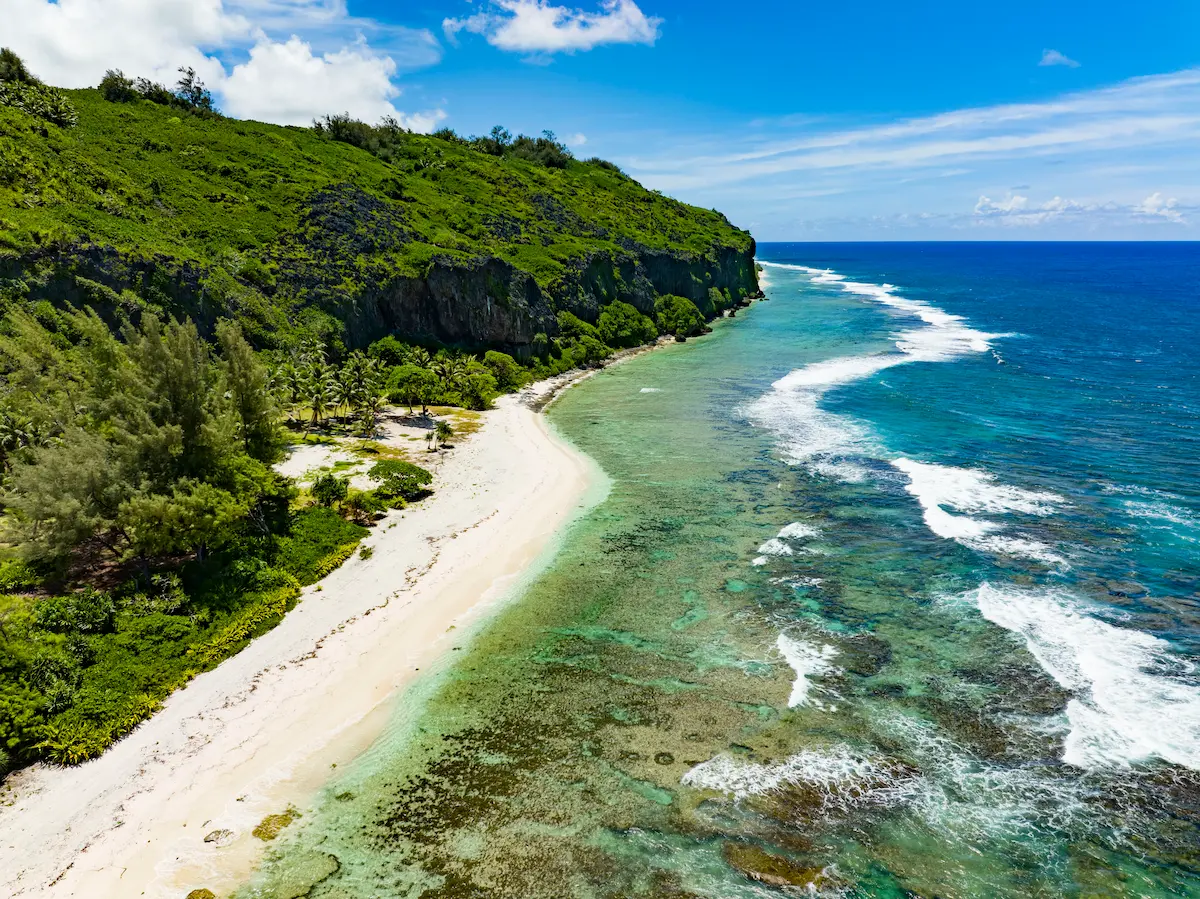
Above ground, Rurutu's coastline is just as dramatic as what lies beneath. The island's raised coral belt, exposed by the same geological uplift that created its many caves, has been relentlessly shaped by wind and waves into formations that feel almost otherworldly. For those arriving by sea aboard the Austral Islands cruise, the first sight of these steep cliffs is unforgettable.
The Makatea: a spectacular mineral landscape
The Makatea is the fossilised coral belt that encircles much of the island. Over time, erosion has carved it into fantastical shapes known locally as "feo": arches, jagged peaks, and mushroom-like structures that give parts of the coastline an almost sculptural quality. The southern coast is particularly striking, and this area is included in guided excursions during the Aranoa's stopover, offering close-up views of these remarkable natural sculptures.
The island tour: 32 km of wild coastline
A full tour of the island spans just 32 km, but the diversity along this route is remarkable. The coastal road winds between white sand beaches and steep cliffs, offering constantly changing perspectives. Key viewpoints include Arei Point, Avera Bay, and Toataratara Point, each providing sweeping views across the Pacific.
For those seeking a higher vantage point, a hike up the mountainous summit of Mount Manureva (385 m) rewards you with a 360° panorama. From here, you can truly appreciate the absence of a lagoon and the island's raw, unspoiled beauty.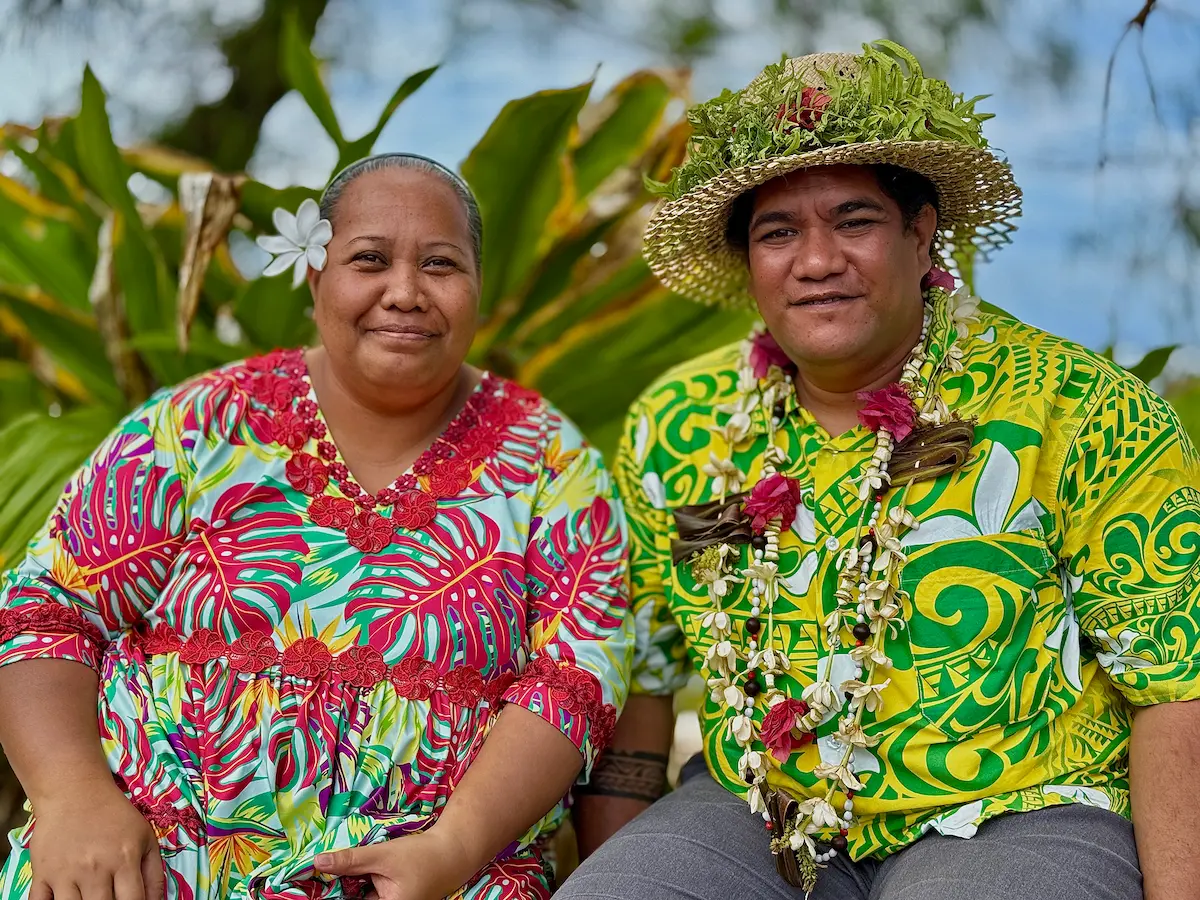
Rurutu, land of living traditions
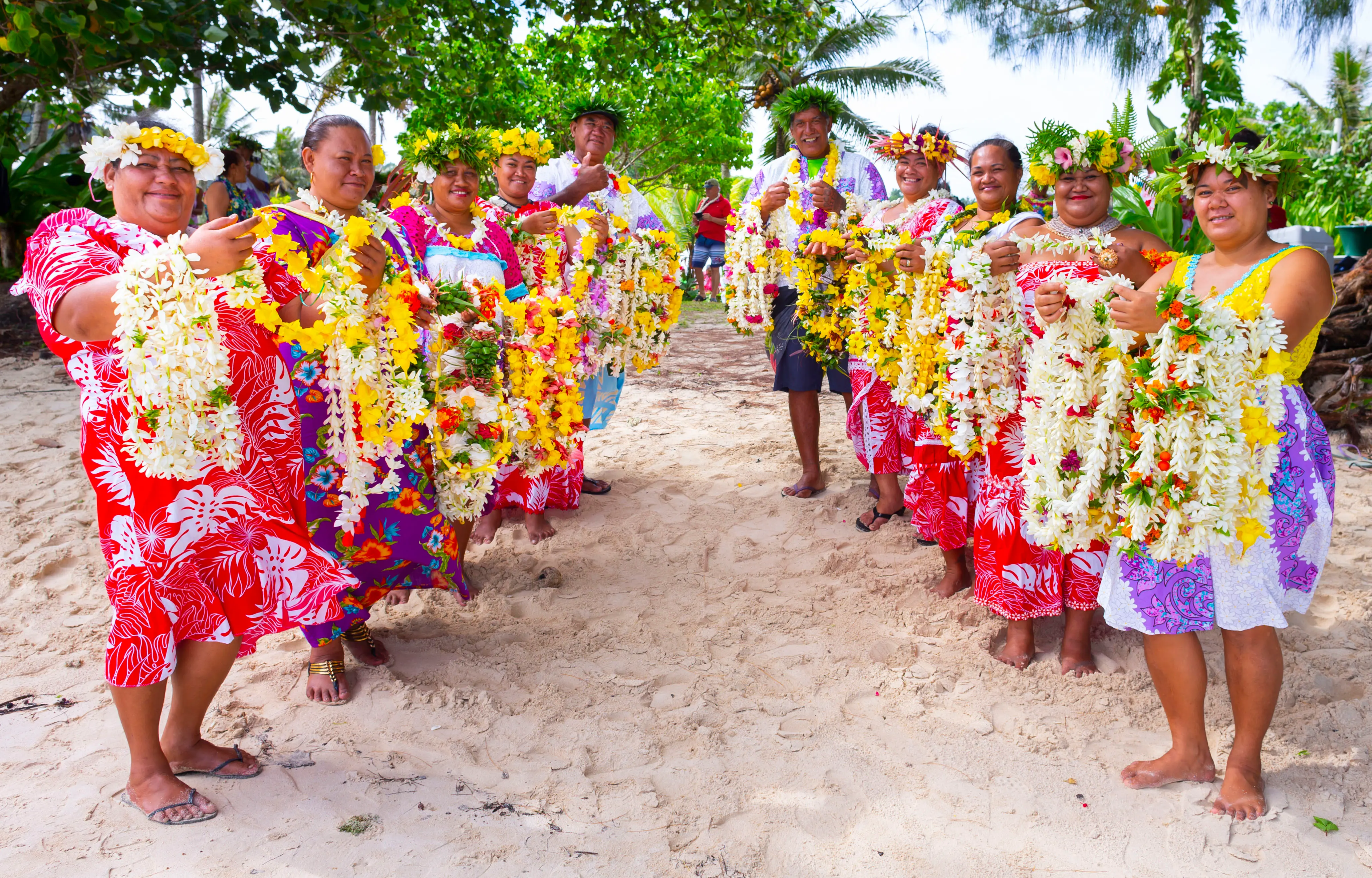
Beyond its geological wonders, Rurutu is a place where traditions are not preserved for show but lived daily. The island's cultural richness runs through every aspect of life, from the rhythmic movements of traditional Polynesian dance to the intricate artistry of weaving. Community gatherings, music, and oral storytelling continue to celebrate ancestral heritage. For those used to the more touristic islands of French Polynesia, the authenticity here is striking.
Basketry craftsmanship: recognised excellence
Rurutu is renowned across the austral archipelago for its exceptional basketry, rivalling even neighbouring Rimatara. Using pandanus leaves, local craftswomen create intricate hats, baskets, and mats, each piece reflecting both technical skill and cultural identity.
During the Aranoa's stopover, you will have the opportunity to meet these artisans in their villages, witness the weaving process firsthand, and take home a meaningful, handcrafted souvenir. It is one of those encounters that transforms a trip to Rurutu into something genuinely memorable.
Horse racing: a unique tradition in the Austral Islands
Horse racing might not be the first thing you would associate with Polynesia, but in Rurutu, it is a deeply cherished tradition. Introduced in the 19th century, semi-wild horses still roam freely across parts of the island, adding to its untamed, rural character.
During the July Heiva festivities, races become a major highlight. Riders, often without saddles, guide their horses along improvised coastal tracks while families and spectators gather along the course, cheering in a lively, communal atmosphere. It is a rare glimpse into a lesser-known yet enduring aspect of island time in the Australs.
Taro fields and copra cultivation
Agriculture remains central to life on Rurutu. Taro, a staple crop, is grown in the island's fertile, rain-fed valleys, while copra production (dried coconut used for oil) is visible throughout the villages in traditional open-air drying sheds. The taro fields of the interior valleys are among the most productive in the Austral Islands.
These practices are not just economic activities: they are part of a sustainable lifestyle rooted in a deep understanding of the land. Once harvested, the copra is transported by the Aranoa back to Tahiti, linking Rurutu's local traditions to the wider economy of French Polynesia through the same cargo-passenger vessel that brings you to the island.
Observing humpback whales off Rurutu
While not the main focus of a visit to Rurutu, whale watching adds a remarkable seasonal dimension to the experience. During certain months, the waters around the island become one of the best places in the South Pacific to encounter these marine giants.
Rurutu, nursery of the Pacific giants
From July to October, humpback whales migrate from the Antarctic to the warm waters of the Austral Islands to mate and give birth. Because Rurutu has no lagoon, the humpback whales come remarkably close to shore, and you may witness them breaching, tail-slapping, or gliding through the clear water with calves alongside.
Under the right conditions and in accordance with local regulations, snorkelling near humpback whales is sometimes possible, though this depends on weather, whale behaviour, and regulatory approval on the day. It is never guaranteed, but when it happens, it is a once-in-a-lifetime experience.
The whale watching experience from the Aranoa
Certain Austral Islands itineraries aboard the Aranoa are timed to coincide with the whale season, adding an extra dimension to the voyage. Optional excursions with local boat operators allow you to approach the whales safely and respectfully.
Even from the ship itself, sightings are common as the Aranoa approaches the island, with humpback whales often visible in the surrounding bays. It is an extraordinary bonus to an already rich itinerary. For those drawn to marine wildlife, the Austral Islands cruise during whale season is worth considering when planning your departure dates.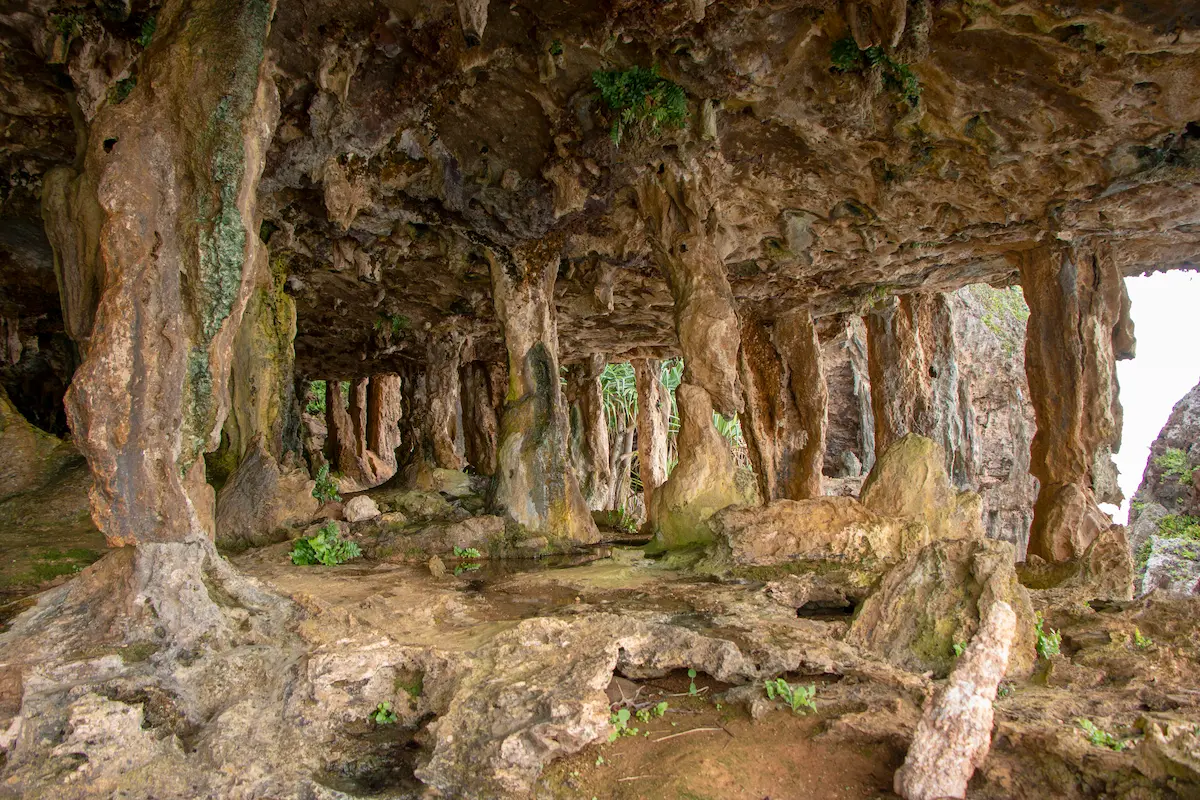
Rurutu with the Aranoa: a stopover in the heart of authenticity
Reaching a remote island like Rurutu is not always straightforward, but this is where a cruise aboard the Aranoa makes the difference. As a cargo-passenger vessel, it carries essential supplies alongside travellers, giving you a real sense of the island's daily rhythms. This is not a fleeting port call from a large liner: it is an immersive experience aboard a ship that is part of island life itself.
Access by cargo-passenger ship
The Aranoa includes Rurutu in its 13-day Austral Islands itinerary. Unlike more isolated islands, Rurutu has a functional quay at Moerai, making disembarkation straightforward. Transfers, excursions, and local guides are included, ensuring a well-organised experience from the moment you step ashore.
Rurutu island is also accessible by a flight from Tahiti via Air Tahiti, but arriving by sea aboard the Aranoa offers a perspective that no plane journey can match: watching the island's limestone cliffs rise from the horizon as the ship approaches is part of the experience itself.
What the stopover in Rurutu includes
Your time on the island is planned to showcase its most captivating highlights: guided tours of the main caves, a scenic drive around the island with stops at key viewpoints, and opportunities to meet local artisans. Free time allows you to walk along the beach, explore Moerai village, or simply slow down to the rhythm of island time. Depending on the season, whale watching excursions may also be available.
The comfort of life on board
Life onboard the Aranoa adds comfort to the adventure. With 91 cabins (62 with a private balcony), you can enjoy uninterrupted ocean views throughout the journey. Equipped with stabilisers, the Aranoa offers a smoother sailing experience than previous generations of Aranui vessels, a welcome advantage on the open waters south of Tahiti. Full-board dining blends Polynesian flavours with international cuisine, and returning to the ship each evening eliminates the need for land-based logistics.
Please note: alcoholic beverages, flights, and certain optional excursions are not included in the cruise fare. For full pricing details, visit aranui.com.
Rurutu in the Austral Islands itinerary: other stopovers to explore
Rurutu is just one chapter in a broader voyage through the Austral Islands, a region that remains largely untouched by mass tourism. Each island in the 13-day itinerary offers a distinct character, and together they reveal the full diversity of this isolated archipelago.
The 5 Austral Islands to discover
Rimatara is famed for its rare 'Ura parakeets and refined basketry traditions, reflecting the islanders' artistic skill and close relationship with their environment.
Tubuai, the largest of the group, carries a fascinating historical legacy, including links to the Mutiny on the Bounty, and offers a blend of cultural landmarks and lush landscapes.
Raivavae is often compared to Bora Bora for its stunning lagoon, yet its relative isolation preserves a serene, unspoiled charm far from tourist infrastructure. If you have always dreamed of what Bora Bora looked like decades ago, Raivavae is the closest you will get.
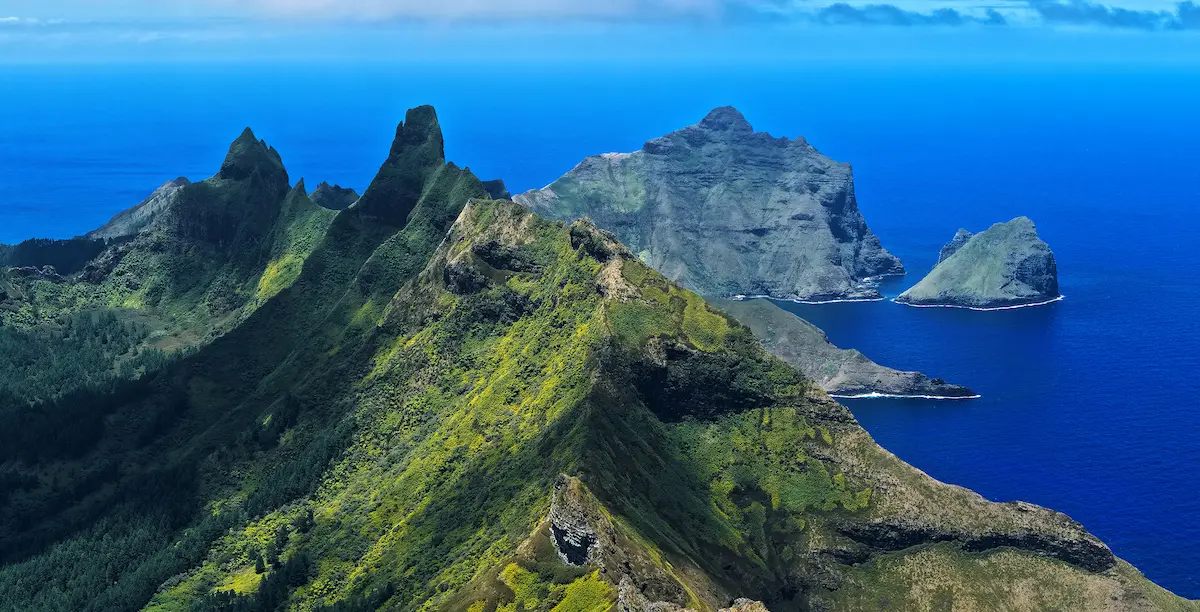
On select departures, the journey extends to Rapa, the most remote island of the group, where dramatic fjord-like landscapes create an atmosphere unlike anything else in French Polynesia.
Society Islands highlights
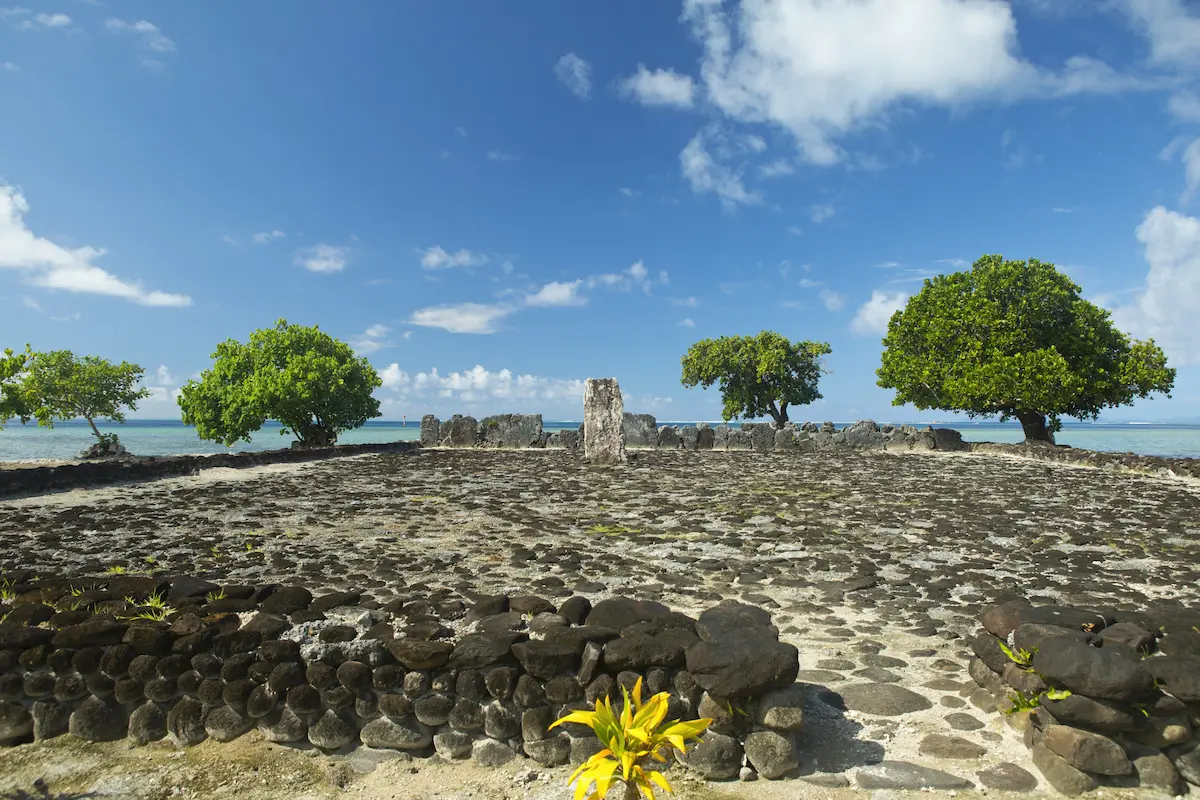
Some itineraries also include stops in the Society Islands, such as Moorea, Raiatea (home to the UNESCO-listed Marae Taputapuatea), and Bora Bora. This creates a fascinating contrast, transitioning from the raw authenticity of the Austral Islands to the iconic scenery of Polynesia's most famous destinations. For those planning a broader Tahiti cruise, combining both archipelagos in a single voyage offers the full spectrum of what French Polynesia has to offer.
Rurutu: where Polynesia reveals its true character
With its sculpted cliffs, ancient caves, and living cultural traditions, Rurutu offers a vision of Polynesia that feels both timeless and refreshingly distinct. This is not the Polynesia of resort brochures: it is a mineral, human, deeply authentic island where every cave, every woven basket, and every whale breaching offshore tells a story.
Experiencing Rurutu aboard the Aranoa goes beyond simple travel. It is a chance to explore Rurutu while enjoying the comfort and seamless planning of a cargo-passenger cruise. For those seeking something beyond the expected, the Aranoa's 2027 Austral itinerary opens the door to this rare corner of French Polynesia.
Ready to explore Rurutu and the Austral Islands? Request your 2027 brochure or contact Aranui Cruises to plan your voyage.
Discover all our cruise itineraries in French Polynesia :
- Bora Bora Cruise
- Tahiti Cruise
- Marquesas Islands Cruise
- Austral Islands Cruise
- Cook Islands Cruise
- Pitcairn Islands Cruise
- Society Islands Cruise
- Tuamotu Islands Cruise
- Gambier Islands Cruise
FAQ
How long is the stopover in Rurutu ?
The Aranoa typically spends several hours in Rurutu, with enough time for guided cave visits, a scenic island tour, and personal exploration. Exact durations depend on cargo operations and are confirmed closer to departure.
Do you need to be athletic to visit the caves ?
No. Most caves are accessible with short walks. Basic mobility and comfortable footwear are sufficient for the majority of visits.
Is it possible to swim in Rurutu without a lagoon ?
Yes, but conditions vary. Some sandy beaches allow swimming, though the absence of a lagoon means waves can be stronger. Always follow local guidance and ask your guide for the safest spots.
What is the best time to see whales ?
From July to October, when humpback whales migrate to the warm waters around the Austral Islands to give birth.
Is the whale watching excursion included in the cruise ?
Whale watching is usually offered as an optional excursion during the season, subject to weather and local conditions. Check with Aranui Cruises for specific departures that coincide with the whale season.
Read also